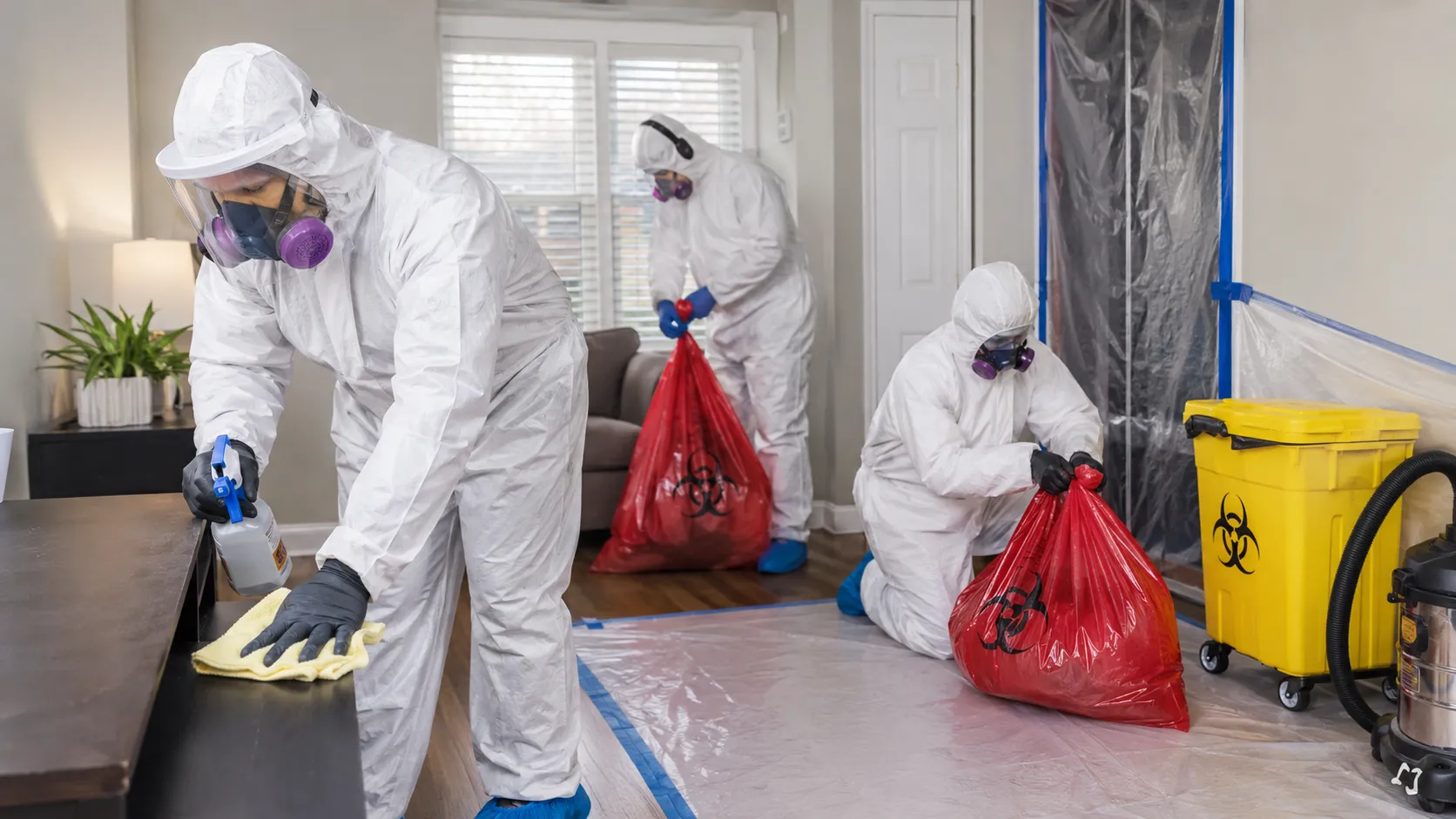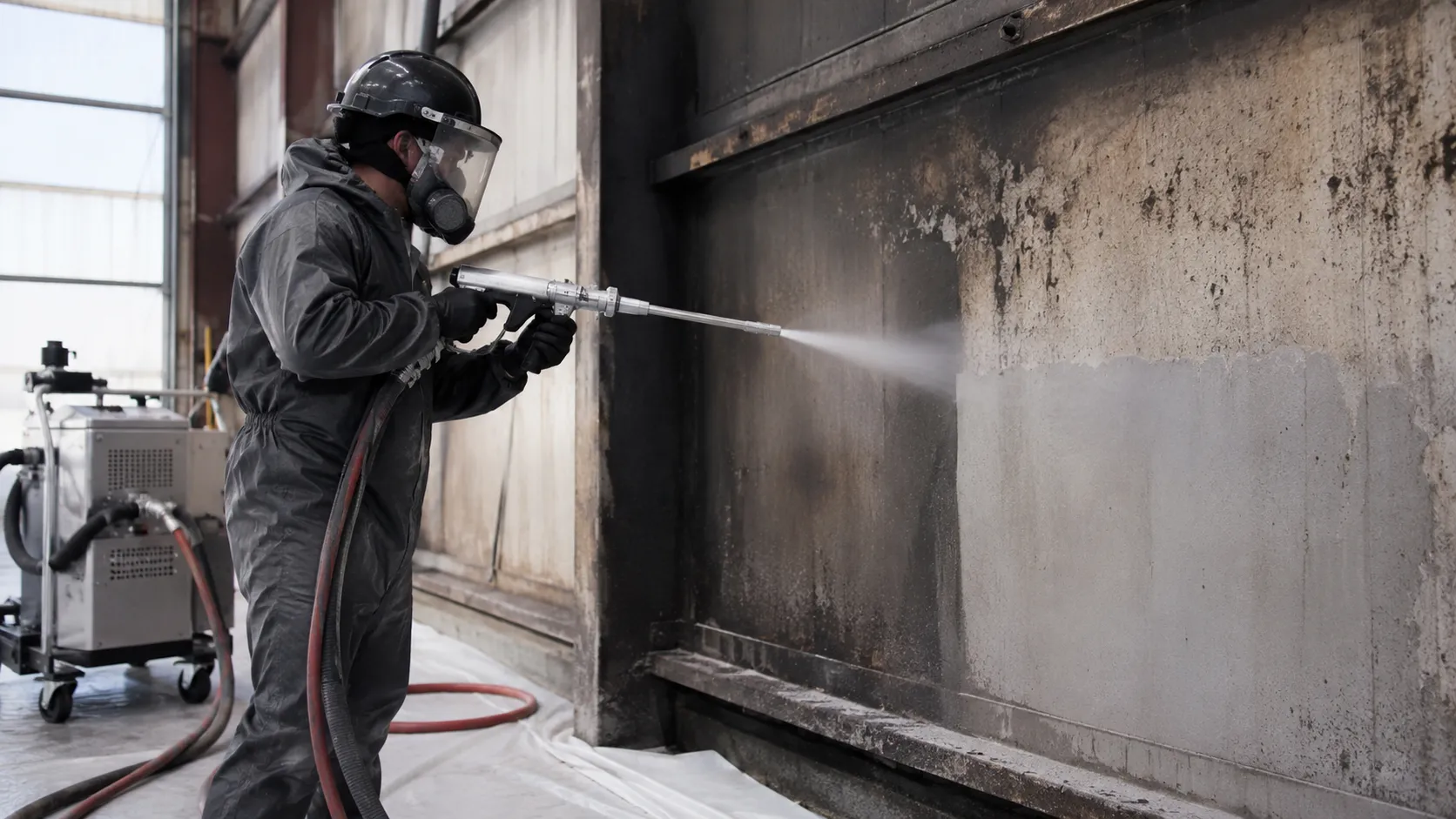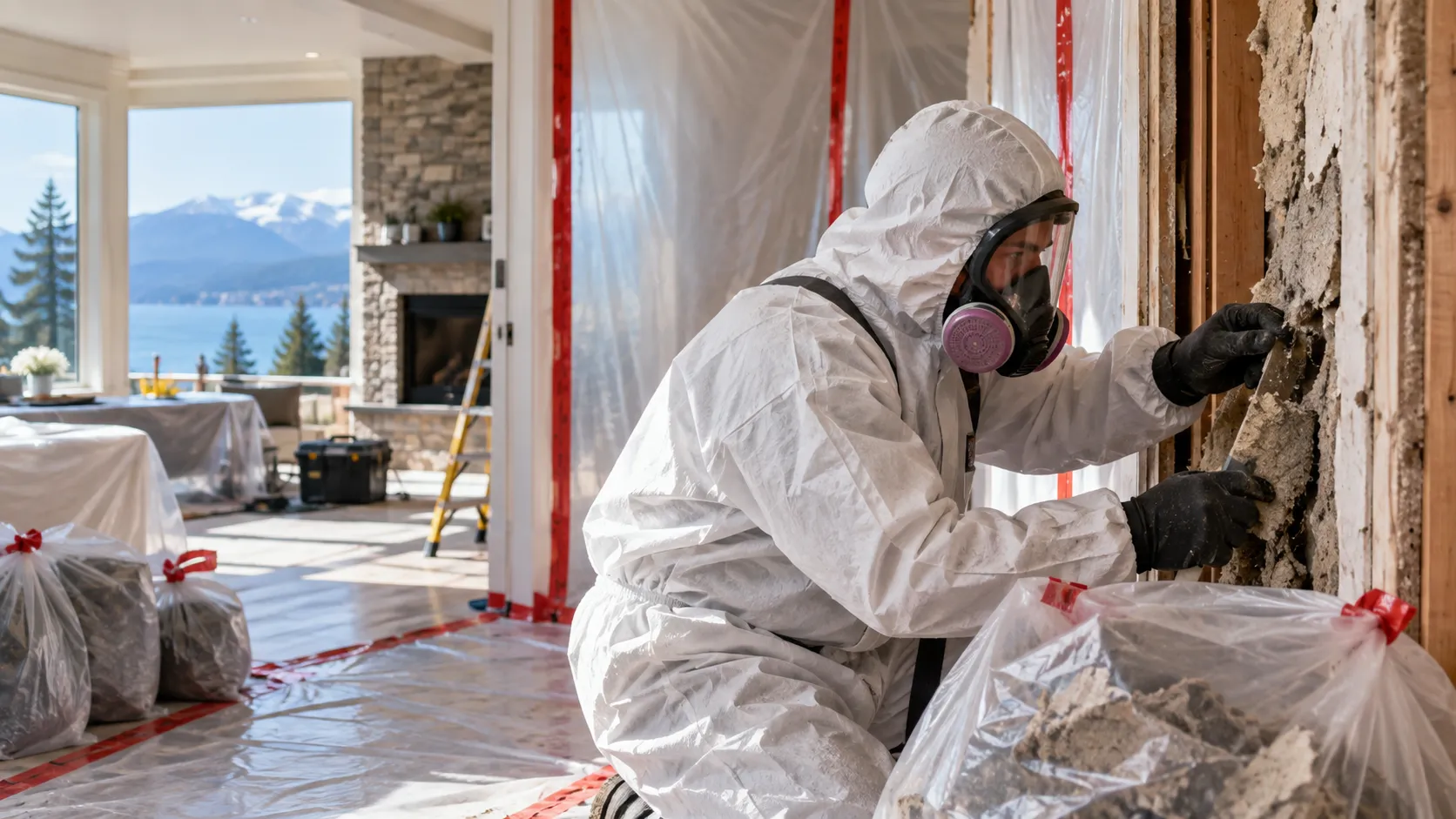
Homeowners and managers should take note that if their property is in West Vancouver and was built prior to 1990, it might have materials that contain asbestos scattered around the building in various forms such as insulation, vermiculite, ceiling tiles, vinyl tiles, or a form of pipe wrap. Once the presence of asbestos has been confirmed, the question that most homeowners ask is, “What will it cost me?” To get to the answer, West Vancouver homeowners must consider various elements. They must analyze the material involved, the amount of asbestos to be addressed, and how accessible the area is, as well as any disposal and regulatory requirements and processes. The information in the article below showcases the different factors that will inform the final expenses.
Why Asbestos Abatement Costs Vary So Much
As there is no one-size-fits-all price for asbestos abatement service, every project is unique. Two houses in the same West Vancouver neighborhood could have completely different prices for removal depending on what is being removed and the method. So, before looking at the pricing, it is important to identify what drives the cost.
Type of ACM
Different AC materials require different methods, tools, and ways of disposal:
- Removing vermiculite insulation from attics is among the costliest processes due to its characteristics, as well as the need for almost complete containment and special vacuuming equipment.
- The price for the removal of popcorn ceilings that were very popular in older West Vancouver homes is relatively low, but still, the height of the ceiling and its area matter.
- The abatement of pipe and duct insulation can be more labor-intensive because of the narrowness of crawlspaces or utility rooms.
- The removal of vinyl floor tiles and mastic is cheaper per square meter, yet it can be expensive if needed to cover larger commercial areas.
- Moreover, costs can be higher in case of the need to use scaffolding for external stucco removal.
Size and Scope of the Project
Abatement pricing is usually expressed in terms of per square foot or as a flat fee; however, the size of the project—whether it is merely a bathroom or a full basement refurbishment—is the major factor in figuring out the final bill. A small job like simply removing a part of a pipe insulation may cost less than $1,000 while a whole-house project that involves multiple ACMs may run up to thousands of dollars.
Site Access and Conditions
The geographical location of West Vancouver has many sloped lands, waterfront houses, and homes without direct access to the street level. If equipment needs to be taken a long distance, there is no accessible driveway for a disposal bin, or if the work site is a small crawlspace, labor costs may go higher.
Restrictions and Air Quality Regulations
Depending on the material’s friability (how easily it breaks apart), certain projects may require:
- Poly sheet and negative pressure containment
- HEPA-filtered air scrubbing machines
- Safety equipment for workers
- Testing after abatement by an independent hygienist
Materials that are high-risk and friable require stricter containment measures, resulting in increased cost.
Disposal Fees
In British Columbia, asbestos waste is recognized as a designated hazardous waste and must be disposed of at licensed disposal sites. The cost of disposing of the waste will either be assessed based on its weight or volume. This cost is fixed and cannot be debated during quoting procedures.
Testing and Inspection
Prior to the initiation of activities, a certified inspector has to perform sampling and send the samples for examination to a recognized laboratory. Such testing is done before the abatement process starts and after the remediation activities are carried out. Although such activities may be charged for separately from removal, it is a very significant part of the overall cost.
Typical Cost Ranges in West Vancouver
When calculating asbestos abatement costs for West Vancouver projects, homeowners should begin by allocating a budget using the below estimates.
- Small isolated removals, e.g., a piece of insulation removed from one section of piping or floor tiling: around $500-1,500
- Removal of popcorn ceilings per room or per square foot, depending on size: around $3-8 a square foot, with most rooms going for about $1,000-$3,000
- Vermiculite attic insulation removals: this tends to be one of the more expensive projects; the range is usually around $3,000-$10,000 depending on size and accessibility
- Whole house abatement: this amount can range from $10,000 to $30,000 or more for old houses that need renovation and have multiple materials containing ACMs
- Larger commercial projects: these vary greatly in price and are usually quoted by the contractor only after a full site assessment.
These prices are only to be used as estimates and not as the actual cost. The only way to know your exact costs associated with asbestos abatement projects is to receive a current quote from a licensed contractor that performs asbestos abatement cost West Vancouver area.
What’s Included in a Professional Quote
When an authorized abatement firm gives a quote, it should ideally be detailed in terms of its specific components, not just in the form of a single figure. A proper breakdown of the quote usually provides the following details:
- Pre-cleaning assessment and testing (unless already done)
- Human resources expenses based on the estimated crew profile and hours of operation
- The setting up and taking down of containment
- Fee for rent of special equipment (HEPA vacuums, air scrubbers, negative air machines, etc)
- Gear for personal protection of workers
- Fees for the transportation and disposal of wastes at licensed facilities
- Testing for air clearance after the abatement
- Paperwork or notification, if required by WorkSafeBC or local laws
When evaluating various quotes, check what is really covered by each quote and what other expenses might come up. A quote that seems to be very inexpensive may miss direct expenses like those for disposal of wastes or clearance testing. It is very advisable that you ask contractors to provide you with a comprehensive breakdown of their costs for asbestos abatement in West Vancouver service.
How to Get an Accurate Quote
To get asbestos abatement cost West Vancouver service quote that are accurate and beneficial for budgeting, it is important to follow some basic preparations:
- Having the test results on hand. If a sample has been analyzed, make sure to share that with the contractors so that their quote will reflect the accurate nature and composition of the material.
- Provide access for a walkthrough. While phone and email quotes provide a good rough estimate, an onsite walk will let the contractor see accessibility, square footage, and containment issues.
- Explain the complete scope of the work. If the abatement is part of a wider renovation, make sure that the contractors know the flow. For instance, do they need to work with the general contractor or avoid areas where people reside?
- Inquire about the scheduling of the work. Some companies may have a backlog of orders for weeks, especially during the busy seasons of spring and summer.
- Check the licensing. Companies providing abatement services should hold licenses to handle hazardous materials and be familiar with WorkSafeBC guidelines.
- Ask about the payment plan. Make sure to clarify what action to undertake in case of clearance testing failure.
Collecting numerous estimates (about three is appropriate) will provide you with an idea of what the relevant market price is for your type of project and allow you to detect situations where the cost is unusually low or high.
Project Planning: Steps to Take Before Removal Begins
Effective planning for the asbestos removal process in West Vancouver begins before the work itself gets underway. A structured approach will help eliminate or reduce the likelihood of unexpected costs and delays.
Step 1: Identify Possible Asbestos-Containing Materials
If you live in an older home built before 1990, it’s better to assume that some materials, including insulation, ceiling texture, old vinyl flooring, and selected siding options, can contain asbestos until laboratory testing proves otherwise. Mere visual inspection won’t help confirm the existence of the substance.
Step 2: Conduct Asbestos Tests
Hire a qualified inspector to collect samples from suspect areas and send them to a certified laboratory. Conducting tests costs hundreds of dollars but is crucial for defining further actions.
Step 3: Find the Best Contractors
After you have determined the materials containing asbestos, ask at least three licensed contractors to give you an estimate. Make sure to provide details so that each contractor can quote the same job.
Step 4: Familiarize Yourself with Regulatory Needs
Depending on the size of the project, WorkSafeBC can demand formal notification prior to the beginning of abatement activities. Larger projects may also include Metro Vancouver air quality bylaw connected with the handling and disposal of hazardous substances. It is possible that the contractor will take care of this paperwork; still, it might be necessary to clarify this aspect with your contractor when requesting an estimate.
Step 5: Schedule Renovation Works Efficiently
In case abatement works form part of a more complex renovation or demolition project, it is important to manage it properly. In general, abatement should be completed and approved prior to starting the work in the affected area—for example, before the framing or electrical works are undertaken. Scheduling abatement correctly ensures that your renovation works run smoothly without significant delays.
Step 6: Set Contingency Funds
Even if you have received a promising quotation, it is still reasonable to set aside 10-15% of the abatement budget as contingency funds. This is important against sudden, unforeseen conditions, such as discovering that the contamination is bigger than expected after the opening of the walls or floors.
Step 7: Schedule Clearance Testing
Following the completion of abatement work, an independent air quality test needs to validate that the area is ready for reentry or any additional construction work. This important step should be included in every project’s planning stage from both a timeframe and cost perspective.
Factors Unique to West Vancouver Homes
West Vancouver has a unique housing supply in contrast to certain regions of Metro Vancouver—numerous properties consist mainly of larger, older character homes or mid-century properties which are built in the North Shore, nearly always situated on hilly or forested lots, with little access by road. These features can influence the cost of abatement in particular ways:
- Old age of the housing supply: A large number of houses were erected in the times when materials containing asbestos were widely used, resulting in the need for testing and abatement at the time of renovation.
- Problems with site access: Homes on steep driveways and waterfront properties, as well as those positioned on narrow streets, may require additional labor.
- Renovation projects: West Vancouver witnesses a steady flow of major renovations and rebuilding, which means that abatement is often included in bigger construction works.
Final Thoughts
When it comes to asbestos abatement, there shouldn’t be a pursuit of low-price options. The problems of using raw asbestos can create permanent health issues for the property user. Additionally, it can lead to more expensive issues if the building does not pass the inspection due to improperly done abatement. The effective way of dealing with the issue is to focus on the cost as one of several elements, including contractor proof of certification, clarity in quotations, and following WorkSafeBC and Metro Vancouver regulations.
Moreover, being aware of the factors that affect asbestos abatement cost West Vancouver rates, acquiring several asbestos abatement cost West Vancouver quote from different licensed contractors, along with following the right procedure for asbestos abatement cost West Vancouver project planning can help a property owner or manager understand the process better without getting caught unprepared. Each process can differ from another but taking proper preparations helps a homeowner or property manager be sure to take care of the process.